


Communication as a Brand: How to Build Trust and Recognition
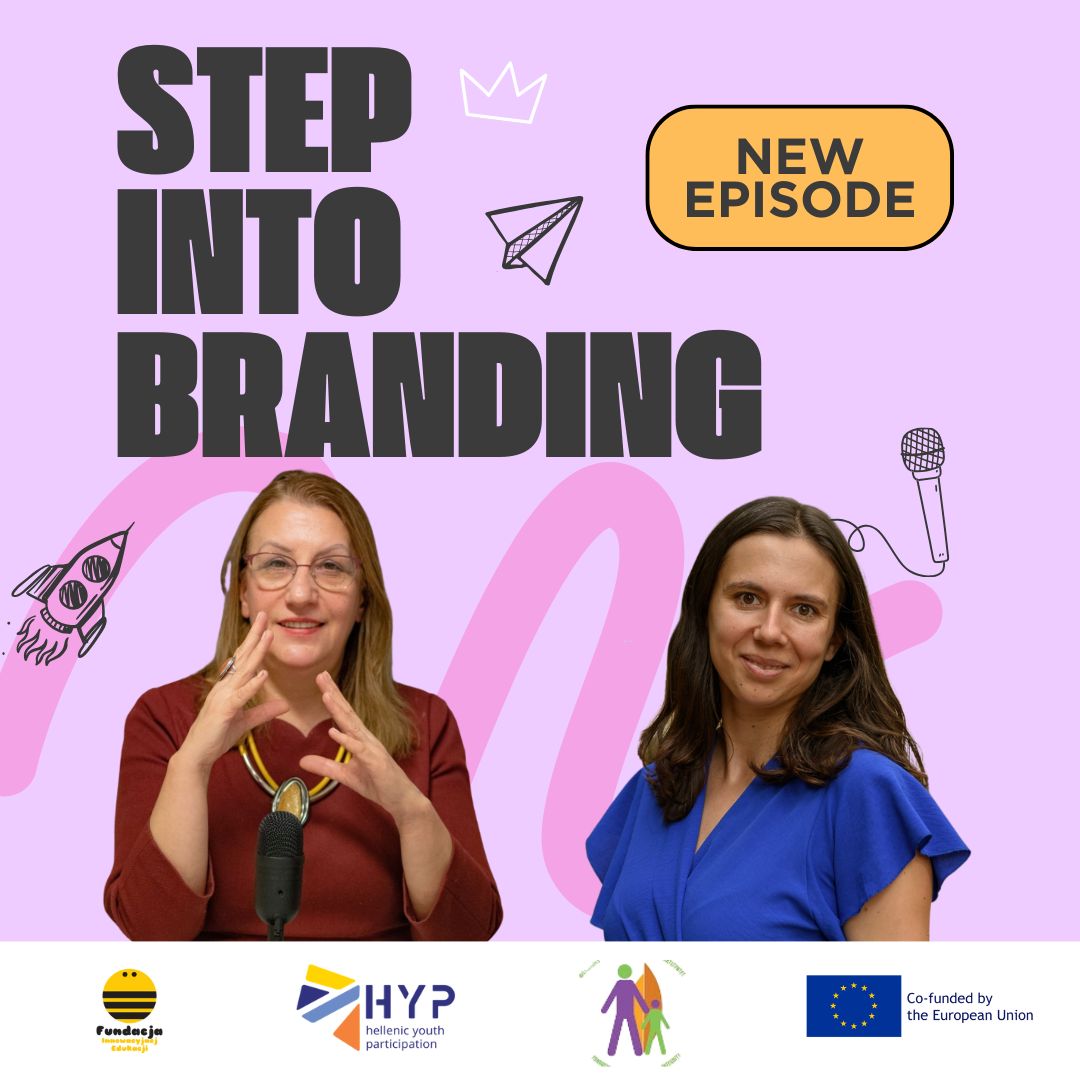
The guest in the third episode of the “Step into Branding” podcast is Professor Ivanka Mavrodieva, a media and commnications lecturer at Sofia University “St Kliment Ohridski” and rhetoric expert, creator of the podcast “The Orator of the 21st Century” and founder of the Institute of Rhetoric and Communications. With extensive academic and practical experience in rhetoric, strategic communication, and digital formats, she discusses how non-profit and educational organizations can build a sustainable and recognizable brand, even with limited resources.
Prof. Mavrodieva emphasizes that communication is not just a means of transmitting information. It is the foundation of trust, reputation, and impact for any organization. For a brand to be sustainable, messages must be consistent, clear, and emotionally engaging. Personal stories, narratives, and storytelling help generate interest, participation, and an intimate connection with the audience, while heavy academic or administrative styles can weaken communication effectiveness.
Ethical communication is a key element of a successful brand. Organizations should avoid stereotypes, insults, unnecessary generalizations, and excessive displays of expertise. Achievements must be presented respectfully, both individually and institutionally, without exclusion or confrontation. Even youth language that can include provocations or hateful speech should be adapted to align with ethical communication principles.
She explains that building an authentic voice requires a strategic approach. Organizations need to define their desired level of visibility, balance the wish for public presence with the fear of digital tools, and choose the most suitable tone and style. Personal narratives remain central to building trust and engagement. Messages should be concise, emotionally resonant, and supported by imagery and metaphors while avoiding clichés or overly formal academic language. The rhetorical principles of ethos, pathos, and logos create a balance between ethics, emotion, and logic. Understanding the local context, cultural nuances, and the community’s achievements is essential for impactful communication.
Podcasts, according to Prof. Mavrodieva, are a powerful tool for organizations because they allow multitasking, create an intimate bond with the listener, and share expertise in a relatable way. Smaller organizations can start with fewer episodes but focus on high quality. They should define their audience, distribute roles for writing, recording, and post-production, and create essential brand elements such as a logo, slogan, and organizational story.
Common communication mistakes she identifies include a lack of authentic voice, contradictory messages, excessive pathos or clichés, and ineffective use of digital platforms. Strong internal communication culture and clear role distribution ensure consistency and clarity across the team.
The audience’s needs and interests remain central. When organizations understand what their listeners care about, they can tailor content and maximize impact. Local context and community-specific challenges strongly influence how messages are interpreted.
Prof. Mavrodieva highlights that sustainable branding is rooted in authenticity, ethics, and consistency. Small and medium organizations can build recognition and trust by combining clear messages, a cohesive visual and verbal identity, thoughtful channel selection, and long-term commitment to communication. A sustainable brand is not just about visibility - it is about being heard, understood, and supported, turning a mission into a real force for change.
You can hear the full podcast in Bulgarian here.